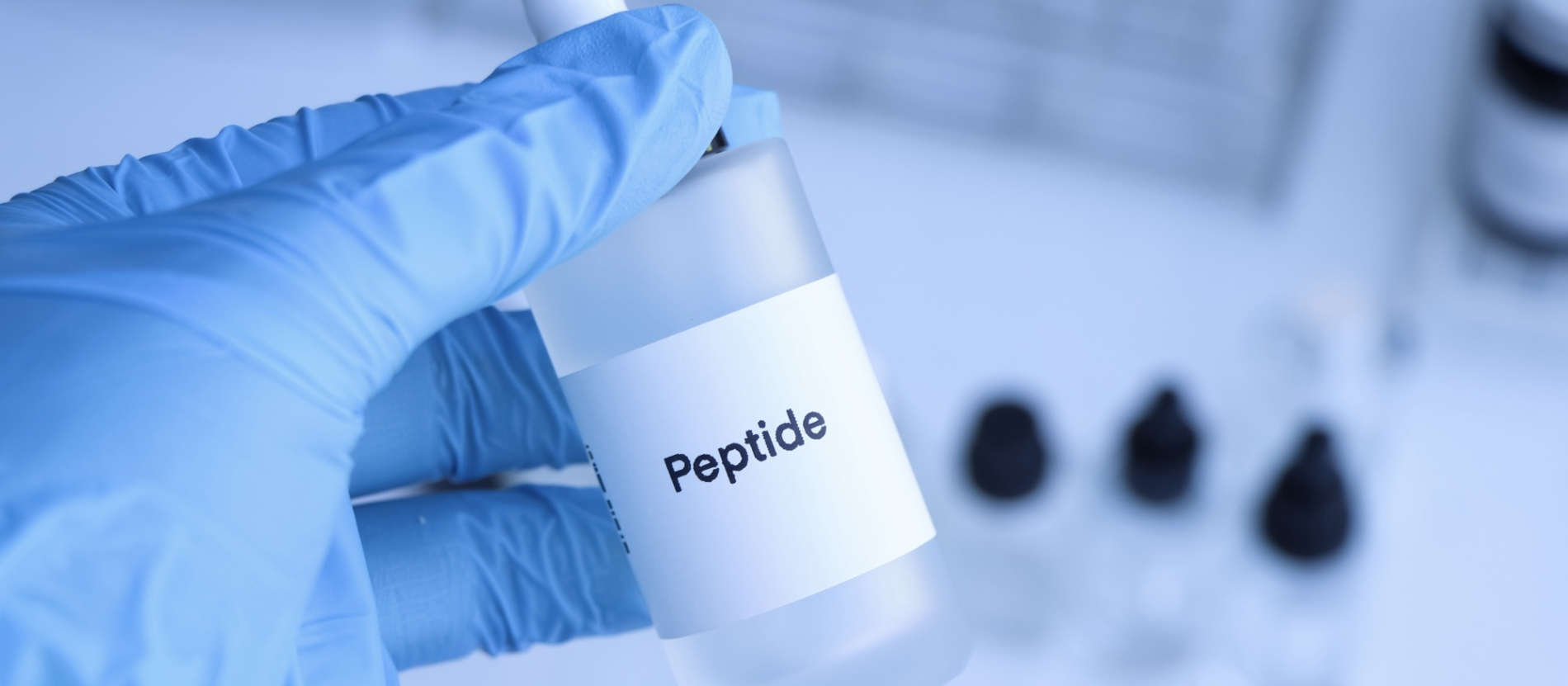
Peptides are short chains of amino acids, typically consisting of 2 to 50 amino acids linked together. They act as "signaling molecules" that tell your body to perform specific functions, like repairing skin or releasing hormones. While proteins (like collagen) are also made of amino acids, peptides are much smaller, allowing them to penetrate the skin or be absorbed more easily.
The primary difference is size. Think of amino acids as individual bricks; a peptide is a short section of a wall, while a protein is the entire building. Because peptides are smaller, they can often be used more effectively in targeted treatments or topicals.
No. While some peptides (like BPC-157 or Growth Hormone Secretagogues) are popular in fitness circles for recovery and muscle growth, they are not anabolic steroids. Steroids are synthetic versions of testosterone, whereas peptides generally signal the body to optimize its own natural processes.
It depends on the specific peptide. The FDA has approved over 100 peptide-based drugs, including insulin and Semaglutide (Ozempic/Wegovy).
However, many "wellness" or "research" peptides sold online are not FDA-approved for human consumption, meaning their safety and purity aren't regulated, but are widely and safely used by millions.
Depending on the type used, benefits can include:
Skin Health: Boosting collagen and elastin to reduce wrinkles.
Muscle & Recovery: Speeding up tissue repair and muscle growth.
Weight Loss: Managing appetite or increasing fat metabolism.
Immune Support: Regulating inflammation and healing.
Peptides can be found in several forms:
Topical: Creams and serums (common in skincare).
Oral: Capsules or tablets.
Injectable: Often used for systemic benefits like weight loss or muscle recovery, typically administered via a small insulin-style needle.
Peptides are not an "overnight" fix.
Skincare: It usually takes 4–12 weeks of consistent use to see visible changes in skin texture or firmness.
Systemic Therapy: Most users report noticing changes in energy or sleep within a few weeks, but significant fat loss or muscle changes typically take 3 to 6 months.
While often well-tolerated because they mimic natural substances, side effects can occur:
Injection site reactions: Redness, itching, or swelling.
Systemic: Nausea, increased appetite, or lightheadedness.
Safety: The biggest risk is often the source; "research chemicals" may contain contaminants or incorrect dosages.
Yes! You can naturally boost your peptide intake by eating high-protein foods that the body breaks down into amino acid chains.
Sources: Meat, fish, eggs, beans, lentils, and dairy.
Collagen: Bone broth is a popular source of collagen peptides.
"Stacking" (using multiple peptides at once) is common in the wellness community to target different goals—for example, combining one for fat loss with another for muscle recovery.
However, this should always be done under medical supervision to avoid adverse interactions or over-stimulation of certain pathways.